



Viennese Tuning Times

Viennese Tuning Times
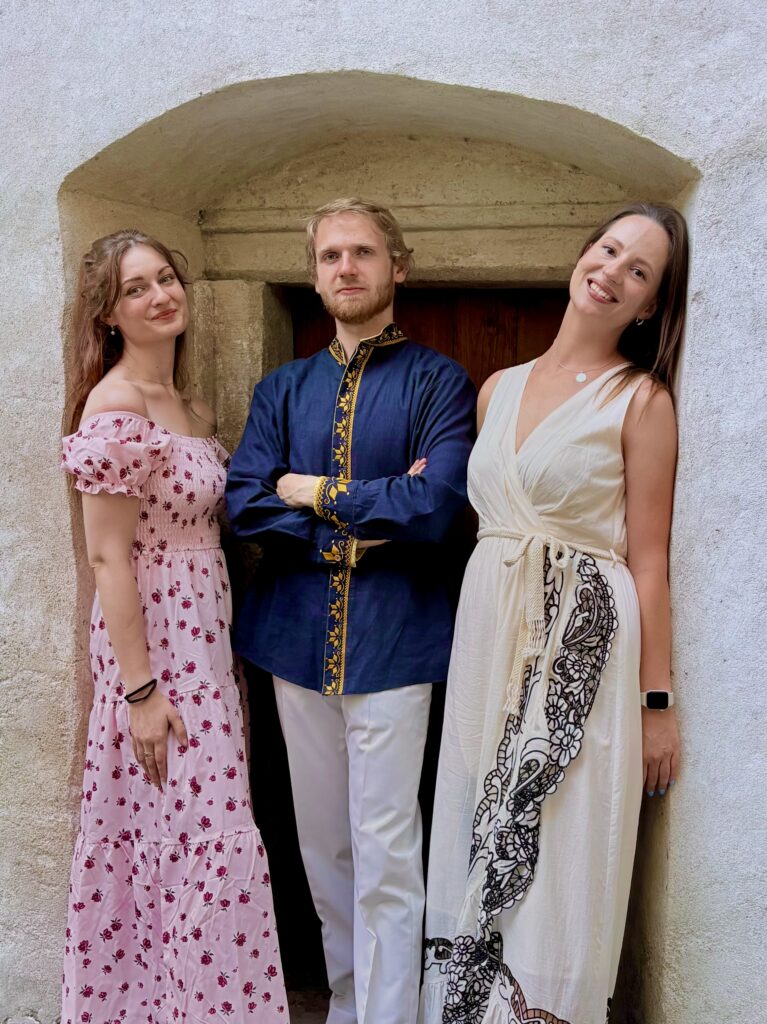
Soubor Viennese Tuning Times založil Sebastian Brettfeld, hráč a sólista na historický violon a kontrabas. Název odkazuje na historické „vídeňské ladění“, které se používalo u violonu v období baroka a klasicismu, na která se soubor specializuje. Soubor tvoří absolventi Janáčkovy akademie múzických umění v Brně, laureáti mezinárodních soutěží. Jeho základní obsazení zahrnuje jeden nebo dva pěvecké hlasy – soprán a mezzosoprán, spolu s historickým violonem a violou. Pěvecké árie se světskou i duchovní tématikou autorů A. Vivaldiho, G. F. Händela, J. S. Bacha a dalších jsou střídána s virtuózními instrumentálními duety a koncerty historického violonu v doprovodu violy autorů K. D. von Dittersdorfa, J. M. Spergera, J. K. Vaňhala a dalších. Vystoupení jsou provázena mluveným slovem k přiblížení autorů, obsahu a děje jednotlivých děl. Soubor má za sebou řadu úspěšných koncertů. Jedním z vrcholů bylo vystoupení v Rakousku ve Vídni pod záštitou velvyslanectví ČR.
The Viennese Tuning Times ensemble was founded by Sebastian Brettfeld, a performer and soloist on the historical violone and double bass. Its name refers to the historical “Viennese tuning” used for the violone during the Baroque and Classical periods. The chamber ensemble consists of graduates of the Janáček Academy of Performing Arts in Brno and prizewinners of international competitions. Its core line-up includes one or two singers – soprano and mezzo-soprano – together with historical violone and viola. The ensemble performs on a wide variety of occasions and offers a rich repertoire of secular and sacred vocal and instrumental works ranging from the Baroque to the Classical period.
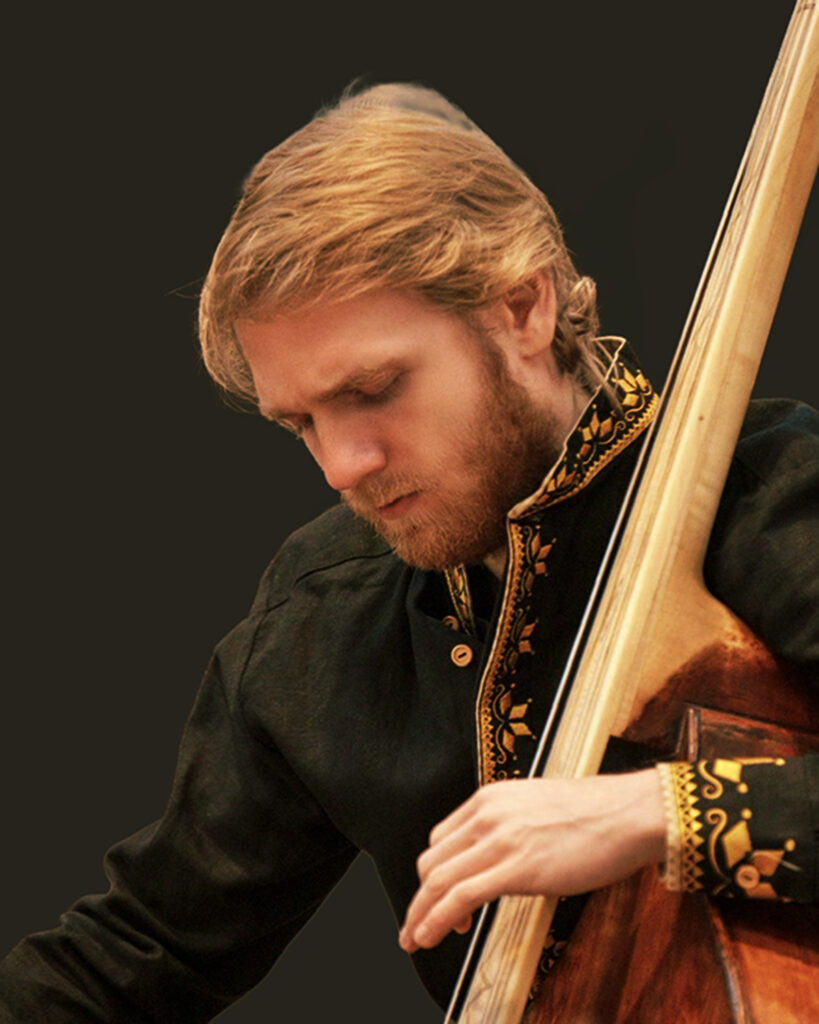
Sebastian Brettfeld – historický violon
Sebastian Brettfeld je absolventem Janáčkovy akademie múzických umění v Brně ve hře na violon a kontrabas a je laureátem mezinárodních soutěží. Vystupuje zejména jako sólista na historický violon v dobovém „vídeňském ladění“ se souborem Viennese Tuning Times, který založil a vytváří pro něj repertoár. S violonem také sólově koncertoval např. s orchestrem Czech Virtuosi, Janáčkovou filharmonii Ostrava, Filharmonii Gustava Mahlera Jihlava, Hanáckým symfonickým orchestrem a dalšími. Zabývá se také metodikou výuky hry a je autorem 8. svazkové “Školy hry na kontrabas”. Upravuje a aranžuje díla klasické hudby, zejména se zaměřením na období baroka a klasicismu. Do současné doby je registrovaným autorem více než 150 publikací. Působil také i jako člen ve Filharmonii Gustava Mahlera v Jihlavě, Moravském komorním orchestru, Hanáckém symfonickém orchestru a různých barokních orchestrech.
Sebastian Brettfeld is a graduate of the Janáček Academy of Performing Arts in Brno, where he studied double bass and violone, and is a laureate of international competitions. He performs primarily as a soloist on the historical violone in the authentic Viennese tuning with the ensemble Viennese Tuning Times, which he founded and for which he creates the repertoire. As a violone soloist, he has also appeared with the Czech Virtuosi, the Janáček Philharmonic Ostrava, the Gustav Mahler Philharmonic Jihlava, the Hanák Symphony Orchestra, and other ensembles. He is also engaged in the methodology of double bass teaching and is the author of the eight-volume Double Bass Method. He edits and arranges works of classical music, with a particular focus on the Baroque and Classical periods. To date, he is the registered author of more than 150 publications. He has also performed as a member of the Gustav Mahler Philharmonic Jihlava, the Moravian Chamber Orchestra, the Hanák Symphony Orchestra, and various Baroque orchestras.

Iva Táborská – mezzosoprán
Studuje zpěv na Janáčkově akademii múzických umění v Brně a je absolventkou stáže na Conservatorio Santa Cecilia v Římě. Je členkou, sólistkou souboru Viennese Tuning Times, který obohacuje širokým repertoárem od baroka po klasicismus. Vystupuje s Czech Ensemble Baroque, Silentium! ensemble a Ensemble Inégal, sólově zpívala také s Filharmonií Brno, Brno Contemporary Orchestra, či koncertovala na festivalech Concentus Moraviae, Janáček Brno a mnohých dalších. V roce 2026 debutovala v Boloni pod taktovkou Federica Marii Sardelliho či na festivalu Pražské jaro. V kamenném divadle debutovala roku 2021 v roli Anděla v jevištním provedení Haydnova Stvoření ve Slezském divadle Opava v nastudování Olivera Dohnányiho. Pro Divadlo na Orlí v Brně nastudovala role Ottona (C. Monteverdi – Korunovace Poppey), Marty (O. Mácha – Polapená nevěra) nebo Tchyně (S. Szokolay – Krvavá svatba). Jako členka Pražského filharmonického sboru zpívala pod taktovkou Semjona Byčkova, Jakuba Hrůši či Tomáše Netopila. Na základě úspěchu v mezinárodní soutěži Let’s Sing Opera podnikla turné s Monteverdiho operou Orfeo po Itálii se zakončením v řeckých Aténách.
Iva Táborská is currently studying voice at the Janáček Academy of Performing Arts in Brno and has also studied at the Conservatorio di Musica Santa Cecilia in Rome. She is a member and soloist of Viennese Tuning Times, contributing to the ensemble’s broad repertoire ranging from the Baroque to the Classical period. She also performs with Czech Ensemble Baroque, Silentium! ensemble, and Ensemble Inégal, and has appeared as a soloist with the Brno Philharmonic and the Brno Contemporary Orchestra, as well as at festivals including Concentus Moraviae, Janáček Brno, and many others. In 2026 she made her debut in Bologna under the baton of Federico Maria Sardelli and also appeared for the first time at the Prague Spring International Music Festival. She made her theatre debut in 2021 as the Angel in a staged production of Haydn’s The Creation at the Silesian Theatre Opava, conducted by Oliver Dohnányi. At Divadlo na Orlí in Brno, she has performed the roles of Ottone in Monteverdi’s L’incoronazione di Poppea, Marta in O. Mácha’s Polapená nevěra, and the Mother-in-Law in S. Szokolay’s Blood Wedding. As a member of the Prague Philharmonic Choir, she has sung under the batons of Semyon Bychkov, Jakub Hrůša,and Tomáš Netopil. Following her success in the international Let’s Sing Opera competition, she toured Italy in a production of Monteverdi’s Orfeo, with the tour culminating in Athens, Greece.

Alžběta Symerská – mezzosoprán
Vystudovala Hudební fakultu JAMU ve třídě prof. Heleny Kaupové. Již během studia se začala objevovat na jevišti a v operním repertoáru získávala první zkušenosti, na které navázala i po jeho dokončení. Jako sólistka debutovala v v Národním divadle Brno, kde se představila jako princ Orlowski v operetě Netopýr a jako Kosinská, elévka v Janáčkově opeře Osud a pokračuje jako sólistka v dalších rolích. Vystupuje jako sólistka se souborem Viennese Tuning Times, spolupracuje s ansámblem Ensemble Opera Diversa a účinkovala také v inscenacích Operního studia Praha. Ztvárnila zde mimo jiné Ježibabu v opeře Rusalka a Káču v opeře Čert a Káča. K dalším rolím jejího repertoáru
patří Fidalma v opeře Tajné manželství Domenica Cimarosy, Cherubino v Mozartově Figarově svatbě, Matka Marie v Poulencových Dialozích karmelitek a Nerone v Monteverdiho Korunovaci Poppey. Vystupovala na řadě domácích i mezinárodních festivalů a své zkušenosti dále prohlubovala na mistrovských kurzech pod vedením významných osobností, mezi něž patří Kamal Khan, Francesco Milioto, Ahmad Jafar Hedar a další.
Alžběta Symerská graduated from the Faculty of Music of the Janáček Academy of Performing Arts in Brno, where she studied in the class of Prof. Helena Kaupová. While still a student, she began appearing on stage and gaining her first experience in the operatic repertoire, which she continued to develop after completing her studies. She made her debut as a soloist at the National Theatre Brno, appearing as Prince Orlofsky in Johann Strauss’s Die Fledermaus and as Kosinská, a young singer, in Janáček’s opera Fate, and continues to perform there as a soloist in further roles. She performs as a soloist with Viennese Tuning Times, collaborates with Ensemble Opera Diversa, and has also appeared in productions of the Prague Opera Studio. Her roles there have included Ježibaba in Dvořák’s Rusalka and Káča in The Devil and Kate. Other roles in her repertoire include Fidalma in Domenico Cimarosa’s Il matrimonio segreto, Cherubino in Mozart’s Le nozze di Figaro, Mère Marie in Poulenc’s Dialogues des Carmélites, and Nerone in Monteverdi’s L’incoronazione di Poppea. She has performed at numerous festivals in the Czech Republic and abroad and has further developed her artistry through masterclasses with distinguished musicians and teachers, including Kamal Khan, Francesco Milioto, Ahmad Jafar Hedar, and others.

Jana Vondrů – soprán
Absolvovala bakalářské studium na JAMU v Brně a magisterský stupeň pak na VŠMU v Bratislavě. Věnuje se převážně sólové koncertní činnosti. Ráda se pohybuje i na pomezí hudebních žánrů od baroka až k soudobé hudbě. V letošním roce natočila v triu ConTRIOlogy novou LP desku „Minulo“, na které se inspiruje lidovými písněmi, sesbíranými Leošem Janáčkem do cyklu Moravská lidová poezie v písních. Velkou část jejího repertoáru tvoří i české a světové písně 20. a 21. století, naplňuje ji i spojení hudby a divadla. Ze seznamu angažmá vybíráme alespoň spolupráci s Filharmonií Brno, Brno Contemporary Orchestra, Opera Diversa, vystupování na festivalech jako je např. Velikonoční festival duchovní hudby, festival Opera, Ostravské dny, Mezinárodní festival slovanské hudby, účast na festivalu ISING! v Číně apod. Soubor Viennese Tuning Times obohacuje širokým repertoárem od baroka po klasicismus.
Jana Vondrů completed her bachelor’s degree at the Janáček Academy of Performing Arts in Brno and continued with a master’s degree at the Academy of Performing Arts in Bratislava. She is primarily active as a solo concert performer and enjoys exploring the boundaries between musical genres, from the Baroque to contemporary music. This year, as a member of the trio ConTRIOlogy, she recorded a new LP entitled “Minulo”, inspired by folk songs collected by Leoš Janáček in his cycle Moravian Folk Poetry in Songs. Czech and international songs of the 20th and 21st centuries also form a significant part of her repertoire, and she is particularly interested in combining music and theatre. Her artistic engagements include collaborations with the Brno Philharmonic, Brno Contemporary Orchestra and Opera Diversa, as well as appearances at festivals such as the Easter Festival of Sacred Music, Opera Festival, Ostrava Days, International Festival of Slavic Music and the iSING! Festival in China, among others. As a member of Viennese Tuning Times, she enriches the ensemble with a broad repertoire ranging from the Baroque to the Classical period.
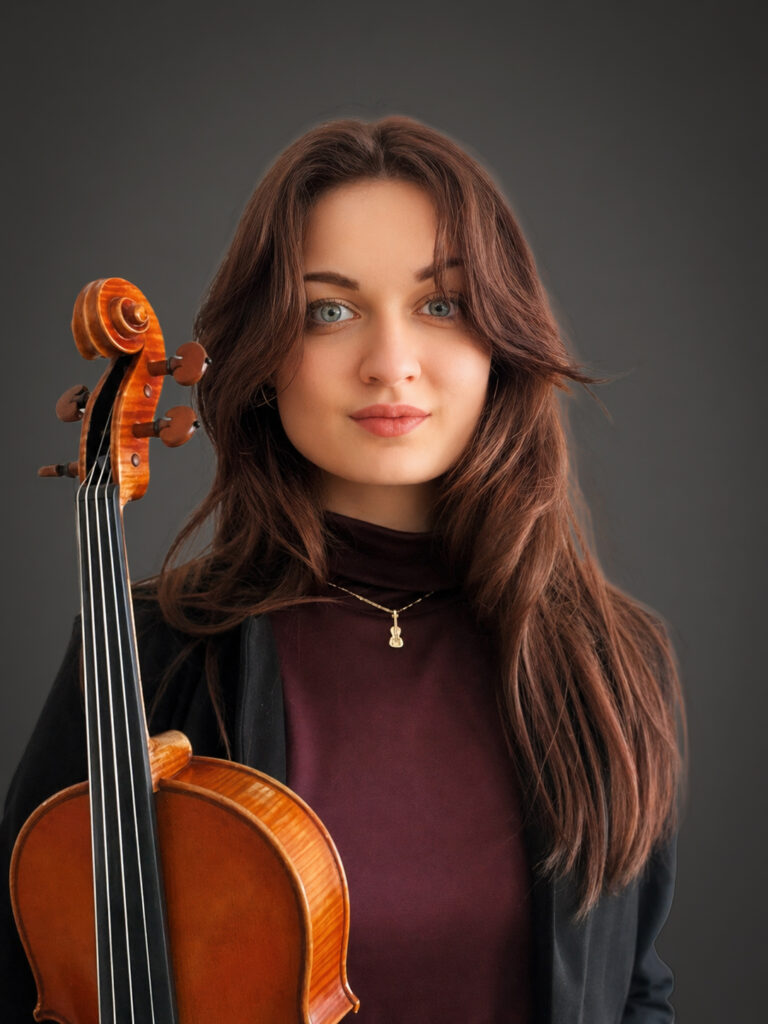
Martina Mikulecká – Viola
Absolvovala na konzervatoři v Brně v oboru hry na housle a violu a pokračuje ve studiu hry na violu na Janáčkově akademii múzických umění v Brně. Je členkou orchestru Národního divadla Brno, členkou a sólistkou souboru Viennese Tuning Times. Působí také ve Filharmonii Gustava Mahlera Jihlava a v dalších souborech a orchestrech. Je absolventkou interpretačních a letních mistrovských kurzů na housle v Litomyšli a Turnově pod vedením Leoše Čepického, Čeňka Pavlíka a Štěpána Graffeho. Vyučuje také hru na housle a violu na ZUŠ Česká Třebová.
Martina Mikulecká graduated from the Brno Conservatory, where she studied violin and viola, and is currently continuing her viola studies at the Janáček Academy of Performing Arts in Brno. She is a member of the orchestra of the National Theatre Brno and a member and soloist of Viennese Tuning Times. She also performs with the Gustav Mahler Philharmonic Jihlava and other ensembles and orchestras. She has participated in performance and summer masterclasses for violin in Litomyšl and Turnov under the guidance of Leoš Čepický, Čeněk Pavlík and Štěpán Graffe. She also teaches violin and viola at the Česká Třebová School of Arts.

Ariana Suleiman Shakh – viola
Je absolventkou Janáčkovy akademie múzických umění Brno. Je členkou orchestru Národního divadla Brno, Orchestrální akademie Filharmonie Brno a členkou a sólistkou komorního souboru Viennese Tuning Times se zaměřením na barokní a klasicistní hudbu. Jako sólistka také například vystupovala v cyklu Mladá krev Orchestrální akademie Filharmonie Brno a dále také jako sólistka a vedoucí skupiny viol se symfonickým orchestrem Vasiljevský ostrov na turné v Německu, Francii, Nizozemsku, Belgii a také na Mezinárodním hudebním festivalu SCL v Alicante ve Španělsku. Je také absolventkou Letní hudební akademie Mürren ve Švýcarsku.
Ariana Suleiman Shakh is a graduate of the Janáček Academy of Performing Arts in Brno. She is a member of the orchestra of the National Theatre Brno, the Brno Philharmonic Orchestral Academy, and a member and soloist of the chamber ensemble Viennese Tuning Times, which focuses on Baroque and Classical music. As a soloist, she has also performed in the Young Blood concert series of the Brno Philharmonic Orchestral Academy, as well as with the Vasilievsky Island Symphony Orchestra, where she appeared as a soloist and principal violist on tours in Germany, France, the Netherlands and Belgium, and at the SCL International Music Festival in Alicante, Spain. She is also a graduate of the Mürren Summer Music Academy in Switzerland.

Valérie Chomaničová – viola
Je absolventkou Janáčkovy akademie múzických umění Brno. V rámci své pokračující umělecké činnosti se věnuje i dalšímu prohlubování interpretačních dovedností například na masterclass světových violistů jako je Maxim Rysanov, Pavel Nikl a Milan Paľa a další. Pravidelně spolupracuje s Moravskou filharmonií Olomouc, Filharmonií Bohuslava Martinů ve Zlíně, s Filharmonií Brno a pravidelně vystupuje v komorním cyklu Filharmonie Brno “Mladá krev”. Svoje sólové i orchestrální zkušenosti, schopnosti a znalosti uplatňuje v komorním souboru Viennese Tuning Times se zaměřením na baroko a klasicistní hudbu. Dále je členkou Janečkova smyčcového kvarteta a jako sólistka působila například i v Tišnovském komorním orchestru. Badatelsky se zajímá také o folklórní hudbu, zejména východní oblasti Slovenska. Své pedagogické schopnosti uplatňuje v ZUŠ Modřice.
Valérie Chomaničová is a graduate of the Janáček Academy of Performing Arts in Brno. As part of her continuing artistic development, she further refines her performance skills through masterclasses with internationally renowned violists such as Maxim Rysanov, Pavel Nikl and Milan Paľa, among others. She regularly collaborates with the Moravian Philharmonic Olomouc, the Bohuslav Martinů Philharmonic in Zlín and the Brno Philharmonic, and regularly performs in the Brno Philharmonic’s “Young Blood” chamber music series. She brings her solo and orchestral experience, skills and knowledge to the chamber ensemble Viennese Tuning Times, which focuses on Baroque and Classical music. She is also a member of the Janeček String Quartet and has appeared as a soloist with the Tišnov Chamber Orchestra, among others. Her research interests also include folk music, particularly the musical traditions of eastern Slovakia. She also teaches at the Modřice School of Arts.
Violon, předchůdce kontrabasu, se používal zejména v období baroka a klasicismu. Se svým kvart-terciovým akordickým „vídeňským laděním“ A–D–fis–A dokáže znít nejen mohutně a hluboce, ale také lehce, zpěvně a téměř houslově. Toto ladění podporuje přirozenou rezonanci prázdných strun s působivým využitím akordů, dvojhmatů i průzračných flažoletů. Jeho výrazových a technických možností využívali skladatelé a virtuózové, jako byli Johann Matthias Sperger, Johann Baptist Vanhal či Carl Ditters von Dittersdorf. Dobová interpretace na historický violon navrací klasické hudbě její původní zvukové barvy a jedinečnou krásu. Posluchačům tak umožňuje přiblížit se zvukovému světu, v němž díla pro violon vznikala a poprvé zaznívala.
The violone, a predecessor of the double bass, was used primarily during the Baroque and Classical periods. Its chord-based “Viennese tuning” in fourths and thirds—A–D–F♯–A—allows the instrument to sound not only powerful and deep, but also light, lyrical, and almost violin-like. This tuning enhances the natural resonance of the open strings, creating striking effects through chords, double stops, and crystalline harmonics. Its rich expressive and technical possibilities were explored by composers and virtuoso performers such as Johann Matthias Sperger, Johann Baptist Vanhal, and Carl Ditters von Dittersdorf. Performance on the violone restores the original tonal colours and unique beauty of Classical music, bringing listeners closer to the sound world in which works for violone were composed and first performed.
International Competition Karl Ditters von Dittersdorf and Classical period music 2025